


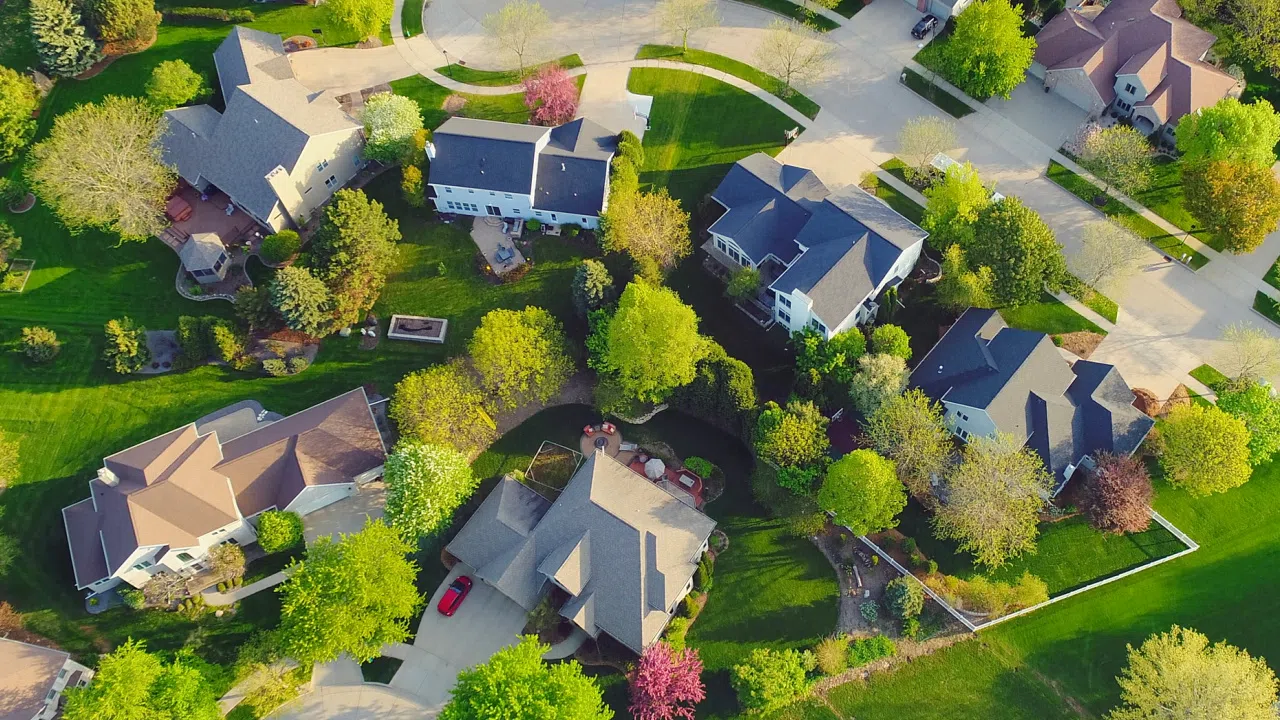
When we think about home maintenance, our minds often jump to interior upgrades—new countertops, fresh paint, cozy lighting. But the real hero of your home, the one that silently takes the brunt of nature’s wrath and protects everything you love, is often overlooked. That unsung hero? Your roof.
Your roof is more than just a lid over your living space. It’s a complex system engineered to provide safety, comfort, and energy efficiency. Still, many homeowners don’t give it a second thought—until something goes wrong. Let’s explore why the roof is of the most important parts of your home.
1. Protection from the Elements
Your roof’s number one job is to keep the weather out. Rain, snow, sleet, hail, wind, scorching sun—it takes it all, day after day, year after year. Think about it: every drop of rain that hits your house is deflected by your roof. Every gust of wind that tries to creep in is met with resistance up top.
A well-maintained roof prevents water intrusion that could otherwise lead to mold, mildew, rot, and major structural damage. Leaks aren’t just annoying—they’re a sign that the first line of defense is compromised. And once moisture gets in, it can ruin insulation, damage drywall, and create a perfect breeding ground for mold.
2. Structural Integrity
Your roof is a key part of your home’s structural system. It holds everything together, quite literally, and helps evenly distribute weight. A weak or failing roof can compromise walls and even the foundation over time. This is especially critical in areas prone to heavy snow or wind, where extra weight or uplift forces can cause serious stress.
Moreover, modern roofing systems are designed with ventilation and weight-bearing properties that help your house “breathe,” preventing internal damage from humidity and trapped air.
3. Energy Efficiency
A roof can be your home’s best friend—or worst enemy—when it comes to energy efficiency. An aging or poorly insulated roof lets hot or cold air escape, forcing your HVAC system to work overtime. The result? Higher energy bills and less comfort.
Reflective roofing materials, proper ventilation, and good insulation all work together to regulate your home’s temperature. In the summer, a reflective roof can deflect solar heat, keeping your home cooler. In the winter, a properly insulated roof keeps warm air from leaking out.
Think of your roof like a thermal cap—it’s essential for maintaining a stable indoor climate.
4. Curb Appeal and Property Value
Let’s talk about looks for a second. Your roof can make up to 40% of your home’s visible exterior. A cracked, faded, or sagging roof is a major eyesore. On the flip side, a new or well-maintained roof boosts curb appeal, making your home look polished and cared-for.
If you’re planning to sell your home, this matters a lot. Buyers pay attention to the roof. A new or recently inspected roof can add thousands of dollars to your home’s resale value, while a neglected one can be a dealbreaker. No one wants to inherit a major repair job right after buying.
5. Safety First
Leaks, sagging sections, or missing shingles aren’t just cosmetic issues—they can become real safety hazards. A compromised roof can collapse under pressure, especially during storms or heavy snow accumulation. It can also let in pests like rodents or insects, which can quickly escalate into infestations and health concerns.
Additionally, moisture entering your home through the roof can reach electrical wiring, posing fire hazards. Regular roof maintenance and timely repairs go a long way in keeping you and your loved ones safe.
6. Insurance and Warranty Considerations
Homeowners insurance typically covers roof damage caused by sudden events, like storms or falling trees. But if the insurer sees signs of neglect or wear and tear, your claim might be denied. That’s why proactive roof care is not only practical—it’s also financially smart.
The same goes for roofing warranties. Many roofing materials come with warranties that last 20, 30, or even 50 years. But those warranties often depend on proper maintenance. If you neglect your roof, you might void that warranty, leaving you to foot the bill when something goes wrong.
7. Peace of Mind
Perhaps the most underrated benefit of a good roof is the peace of mind it provides. Knowing that you’re protected from the elements, that your energy bills are under control, and that your home is structurally sound lets you sleep better at night—literally and figuratively.
A quiet, leak-free roof overhead during a thunderstorm isn’t just nice—it’s invaluable.
So… What Can You Do?
Maintaining your roof doesn’t mean climbing up there with a hammer every weekend. Here are a few practical tips:
-
Schedule regular inspections: Once a year is ideal, especially after severe weather.
-
Clean your gutters: Clogged gutters can cause water to back up under your shingles.
-
Trim nearby trees: Overhanging branches can scrape or fall on your roof.
-
Look for warning signs: Stains on ceilings, missing shingles, and granules in your gutters are early signs of trouble.
-
Don’t delay repairs: Small issues become big problems if left unchecked.
Your roof is working 24/7 to protect your home, your family, and your investment. It’s not flashy, but it’s fundamental. Without a solid roof, the rest of your home is vulnerable—and that’s not a risk worth taking.
Have questions about your roof or need professional help? Give Gardner Roofing a call. You’ll be glad you entrusted them to take care of your home.
 Robert Gardner Roofing in Seattle, WA has been the trusted roofing company in the greater Seattle area for over 20 years. Our team of expert roofers will arrive at your home or business with all the necessary materials and carefully set up for installation. We prepare everything offsite, in advance, so the job runs efficiently, creating a clean and safe job site! Contact them today for a FREE repair or roof replacement estimate; same-day estimates are possible based on availability. Have a question? Contact them online or call 206-498-0691.












Comments